
16 April 2026
The Best Books to Learn German by Level
Reading is one of the most powerful ways to learn German — but only if you are reading at the right level. Choose too easy and you won't grow; too hard and frustration sets in. This guide walks you through the best books at every CEFR level, from graded readers that hold your hand at A1 all the way to the great works of German literature that define mastery at C2.
Absolute Beginner
Simple vocabulary, short sentences, everyday topics — your first steps in German.
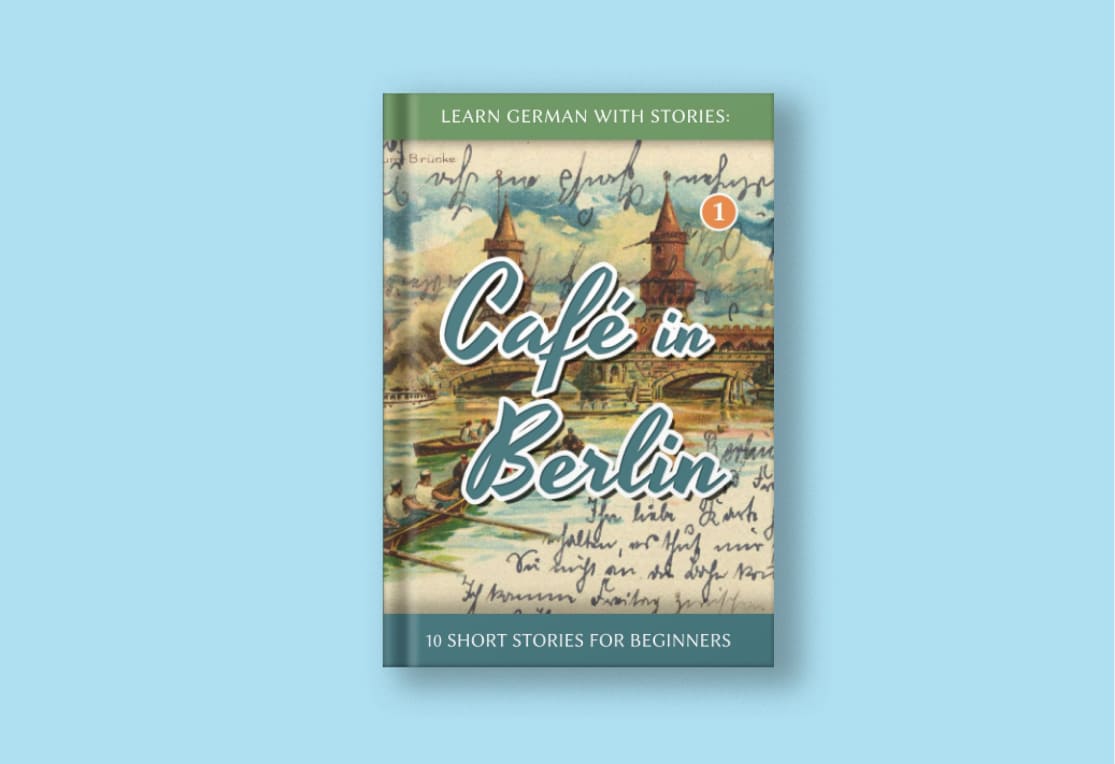
Café in Berlin
André Klein (Dino lernt Deutsch #1)
10 short, humorous stories following Dino, a young Sicilian settling into Berlin life. Uses basic everyday vocabulary with a built-in German-English glossary and comprehension quizzes after each chapter.
Graded Reader · Series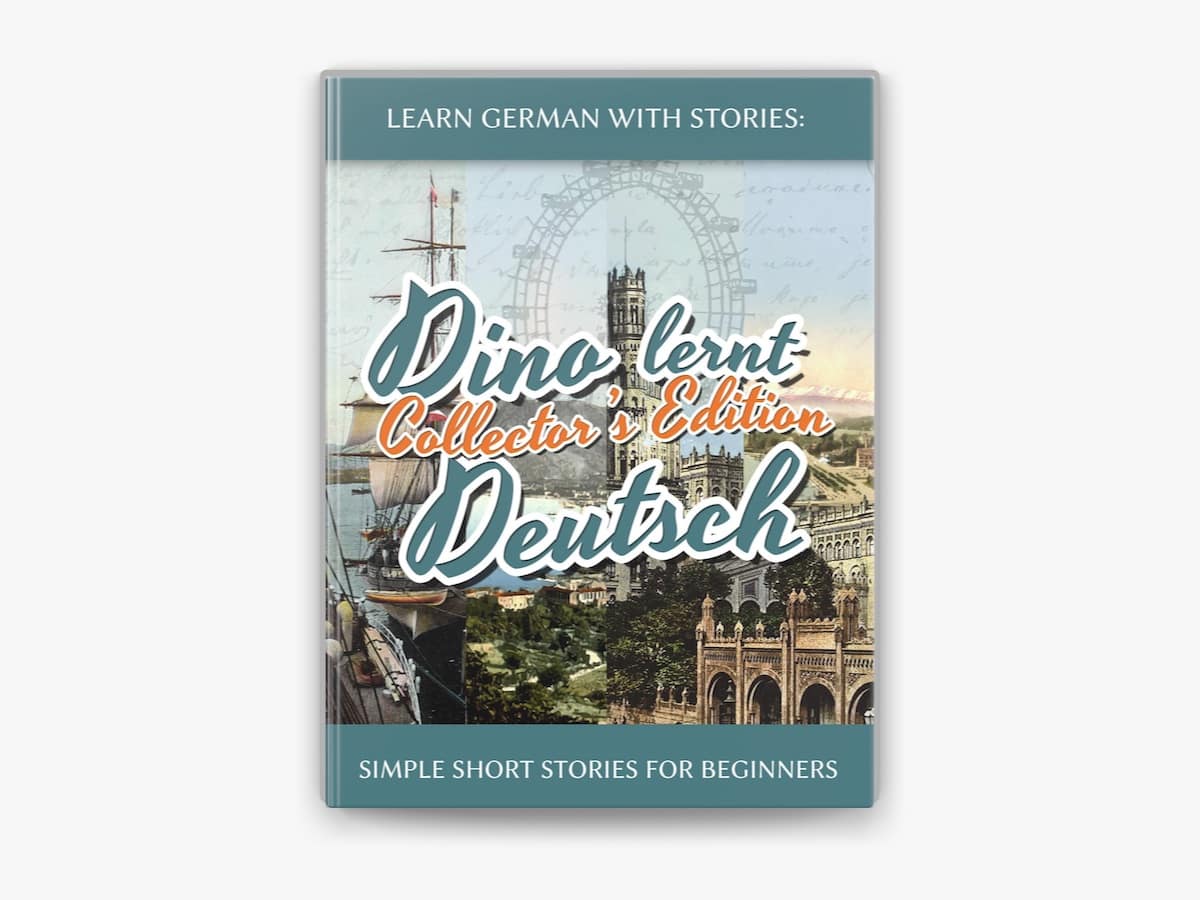
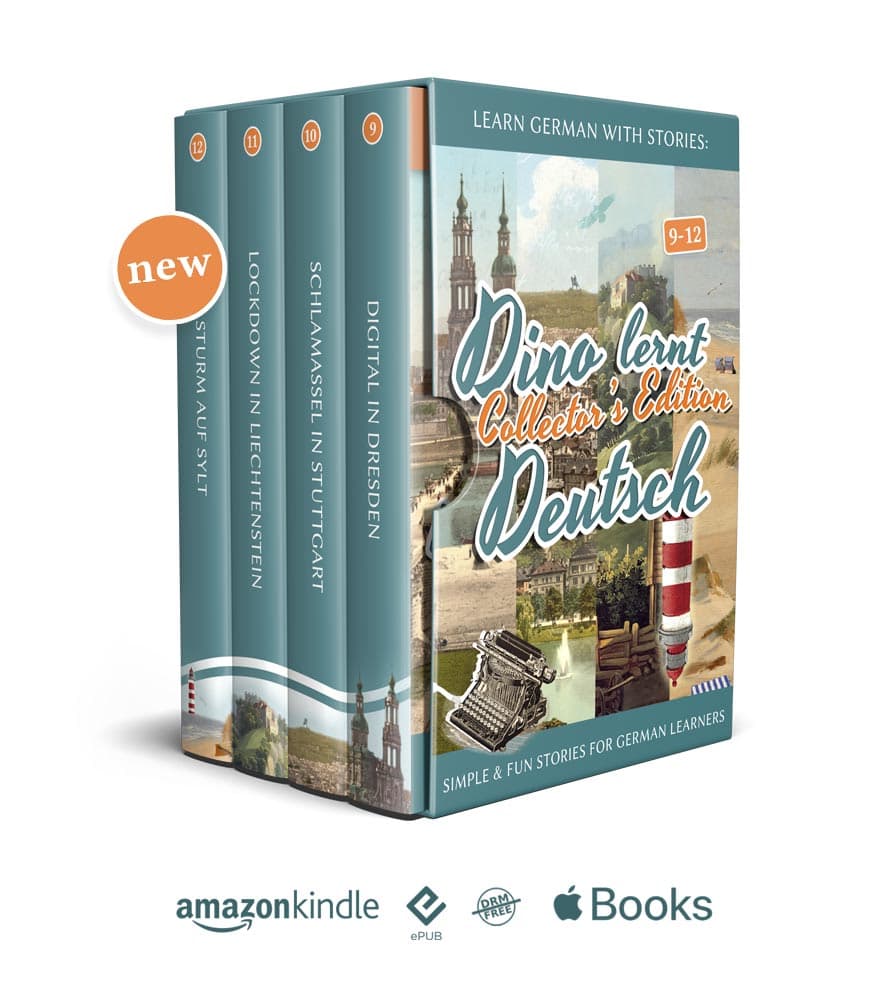
Dino lernt Deutsch (Collector's Edition)
André Klein
A beloved series of graded readers following the same protagonist across German cities (Berlin, Frankfurt, Vienna…). Each book progressively introduces new grammar and vocabulary, making it ideal for consistent growth from A1 upward.
Graded Reader Series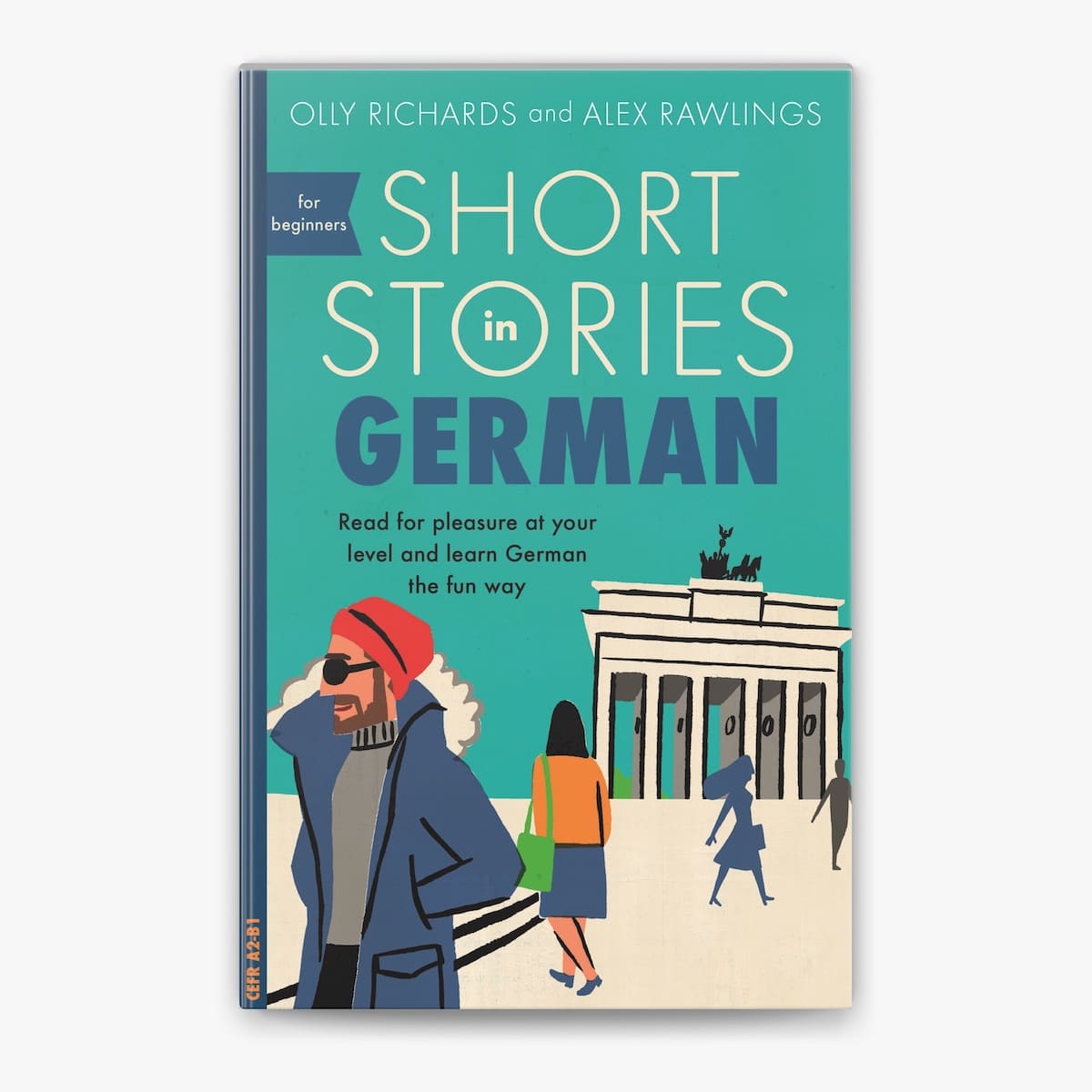
Short Stories in German for Beginners
Olly Richards & Alex Rawlings
Engaging short stories with carefully controlled vocabulary from the 1,000 most-used German words. Each chapter includes a glossary, bilingual summary, and comprehension questions to reinforce learning.
Graded Reader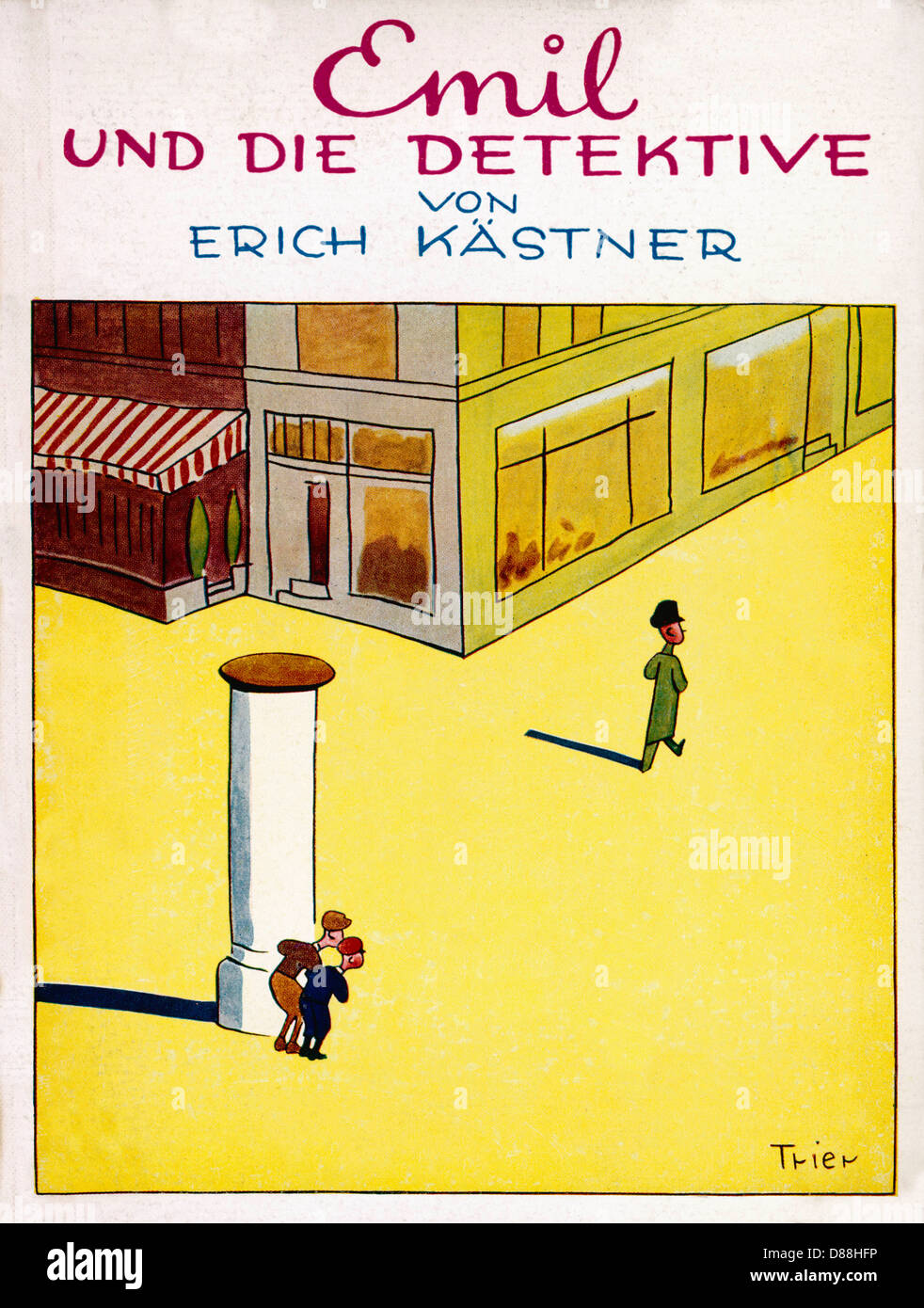
Emil und die Detektive
Erich Kästner (adapted, Black Cat)
A fun detective adventure — Emil travels to Berlin but his money is stolen! This classic children's story exists in a graded A1 reader adaptation, making it perfect for beginners while offering a window into German culture and humour.
Adapted Classic · A1Elementary
You know the basics — now build speed and confidence through slightly longer, richer stories.
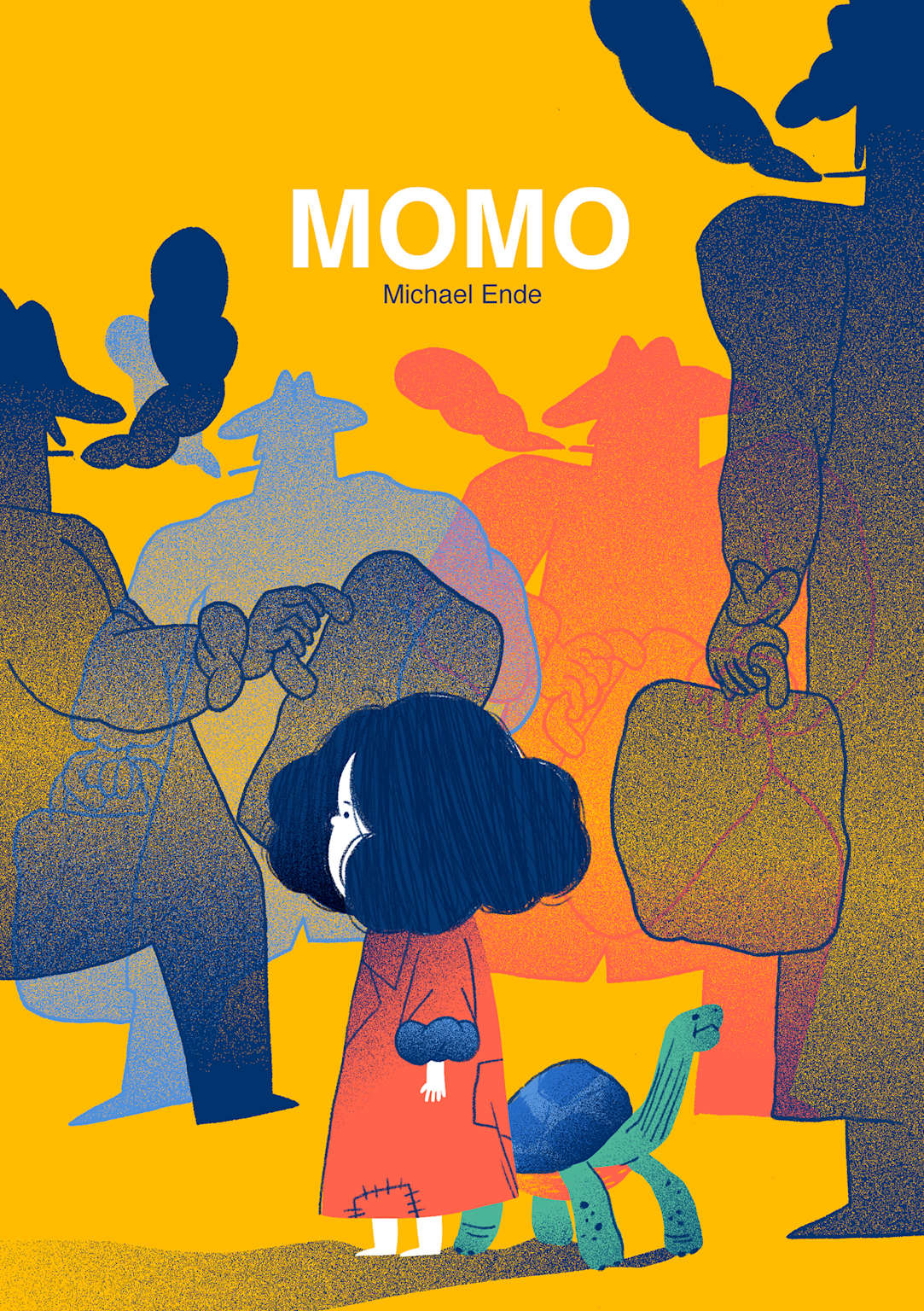
Momo
Michael Ende
A magical story about a little girl who fights shadowy "time thieves" stealing people's lives. Written for young readers, this German classic has accessible language perfect for A2–B1 learners, with beautifully imaginative storytelling.
Children's Classic · Film adaptation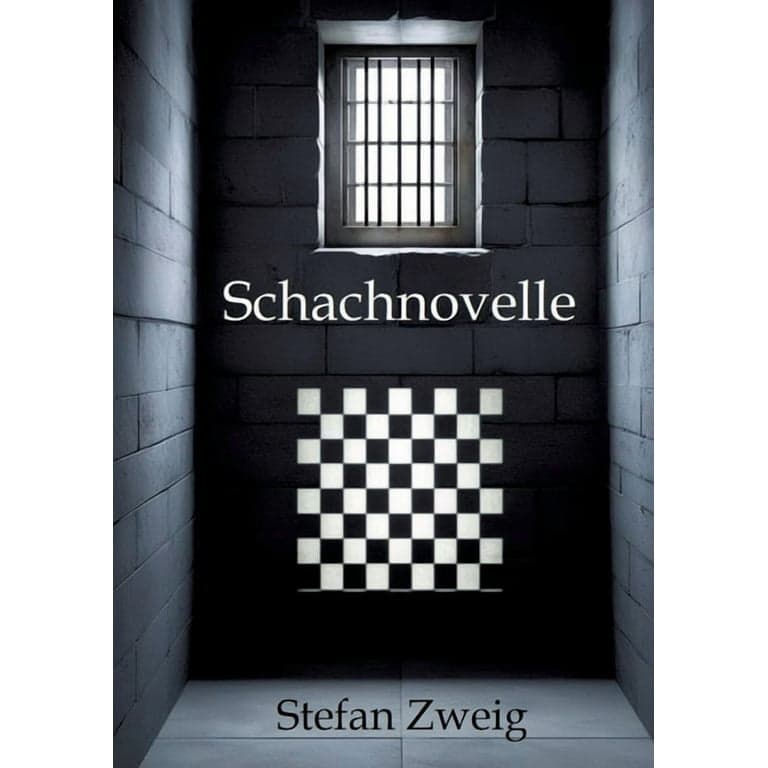
Schachnovelle (Adapted Graded Reader)
Stefan Zweig (adapted, Black Cat A2)
Zweig's tense psychological chess story adapted into an A2 graded reader. The original is much harder, but this adaptation lets you experience this masterpiece early, with cultural dossiers about Vienna and the history of chess.
Adapted Classic · A2Emil und die Detektive
Erich Kästner (Hueber A2-B1 edition)
This edition of Kästner's beloved novel is adapted for A2–B1 learners with simplified vocabulary and exercises. Pre-war Berlin comes alive through Emil's adventure — an excellent way to encounter German cultural history while practicing the language.
Adapted Classic · A2–B1Intermediate
You can hold conversations — now tackle longer narratives and richer vocabulary in context.
Mord am Morgen
André Klein (Baumgartner & Momsen series)
A detective novella starring Private Detective Baumgartner. Language ramps up from B1 toward B2, with illustrations, in-text translations for harder phrases, and vocabulary sections per chapter. Excellent for bridging intermediate to upper-intermediate.
Detective · Graded Series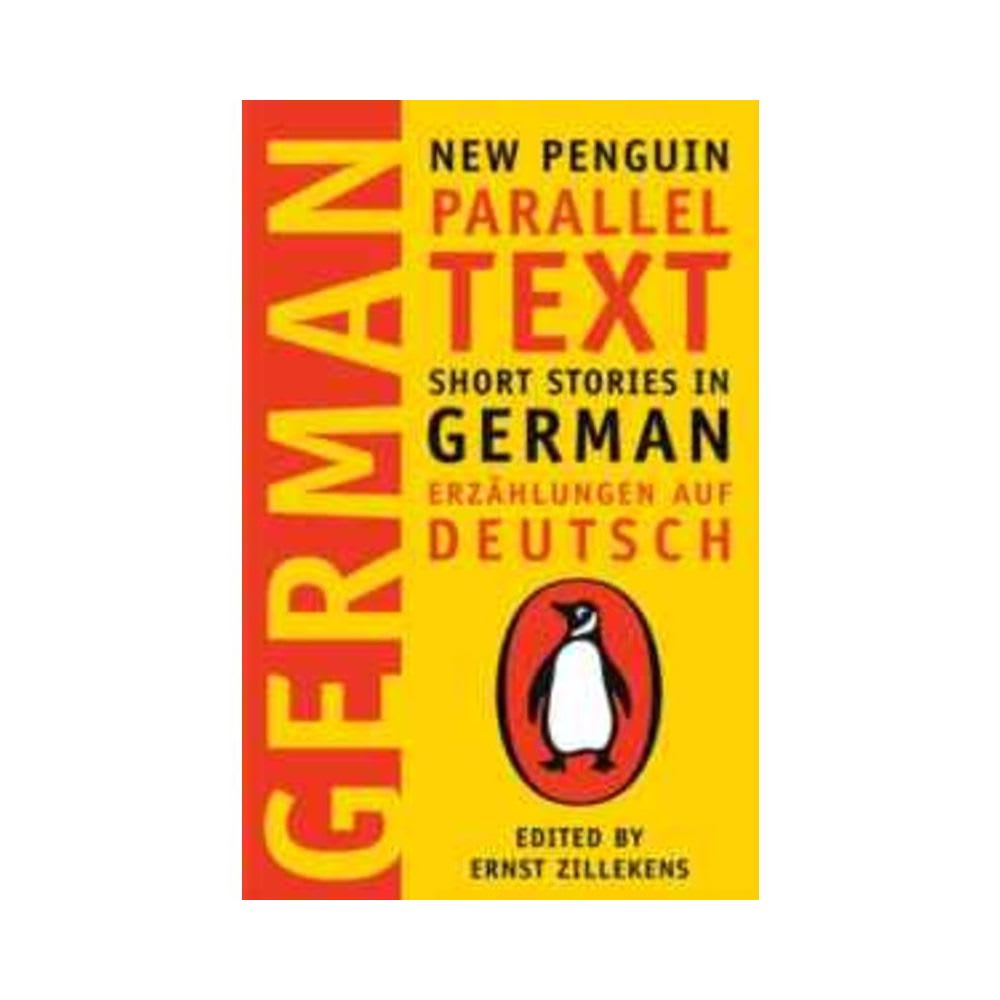
Short Stories in German: New Penguin Parallel Text
Ed. Ernst Zillekens
Eight short stories by contemporary German-language authors, presented in parallel text — German on the left, English on the right. At B1 you can read much of the German and only glance at the English when needed. Excellent exposure to authentic literary German.
Literary · Parallel Text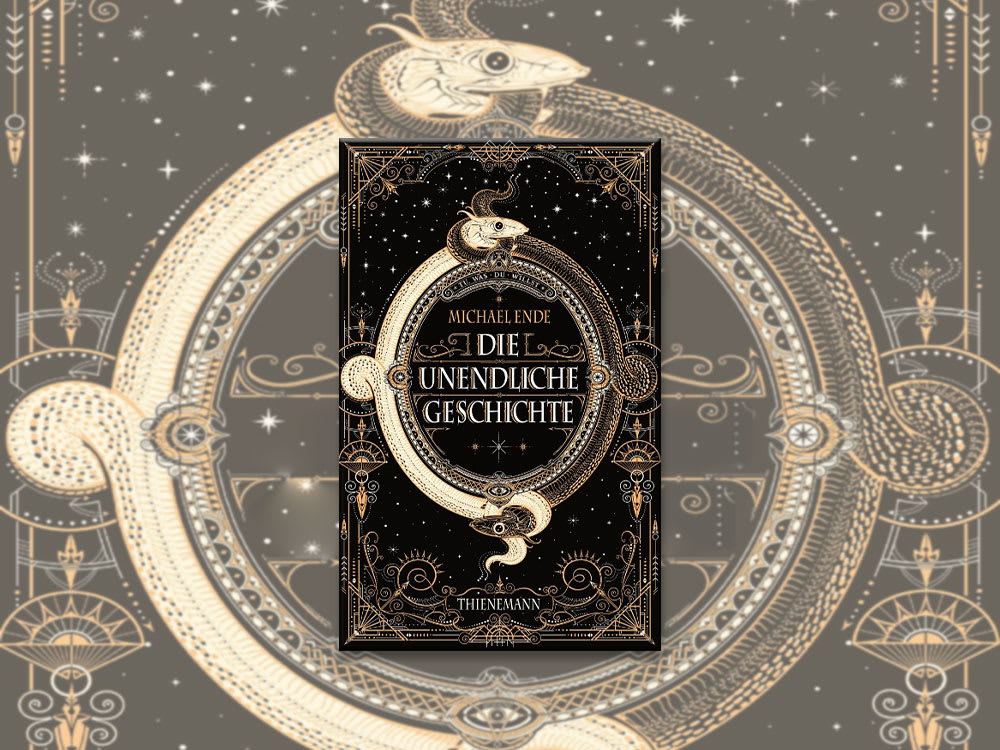
Die unendliche Geschichte
Michael Ende
The original German classic behind "The Neverending Story." Descriptive, immersive fantasy language that builds rich vocabulary naturally. A longer book — expect some challenge especially in fantasy-world vocabulary — but deeply rewarding.
Fantasy Classic · Film adaptation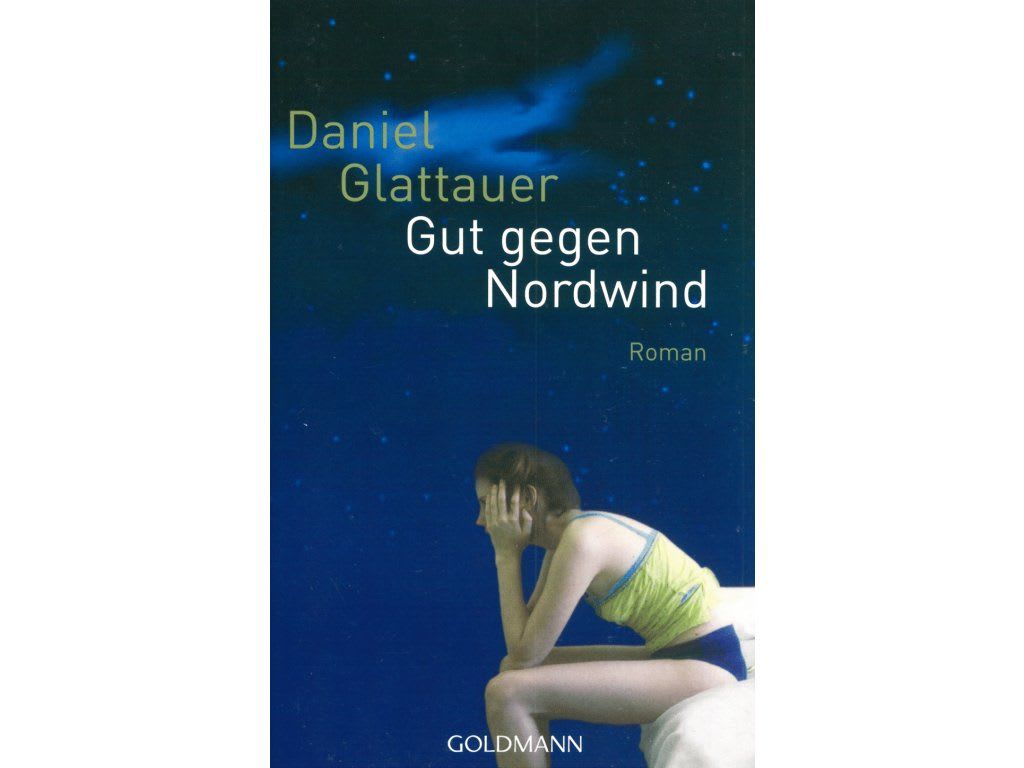
Gut gegen Nordwind
Daniel Glattauer
A contemporary epistolary novel told entirely through emails — two strangers accidentally become pen pals and fall for each other digitally. The email format means the language is natural, conversational, and modern. Perfect for learners who want to sound like real Germans online.
Contemporary · RomanceUpper-Intermediate
Time for authentic literature — complex narratives, idiomatic language, and deeper themes.
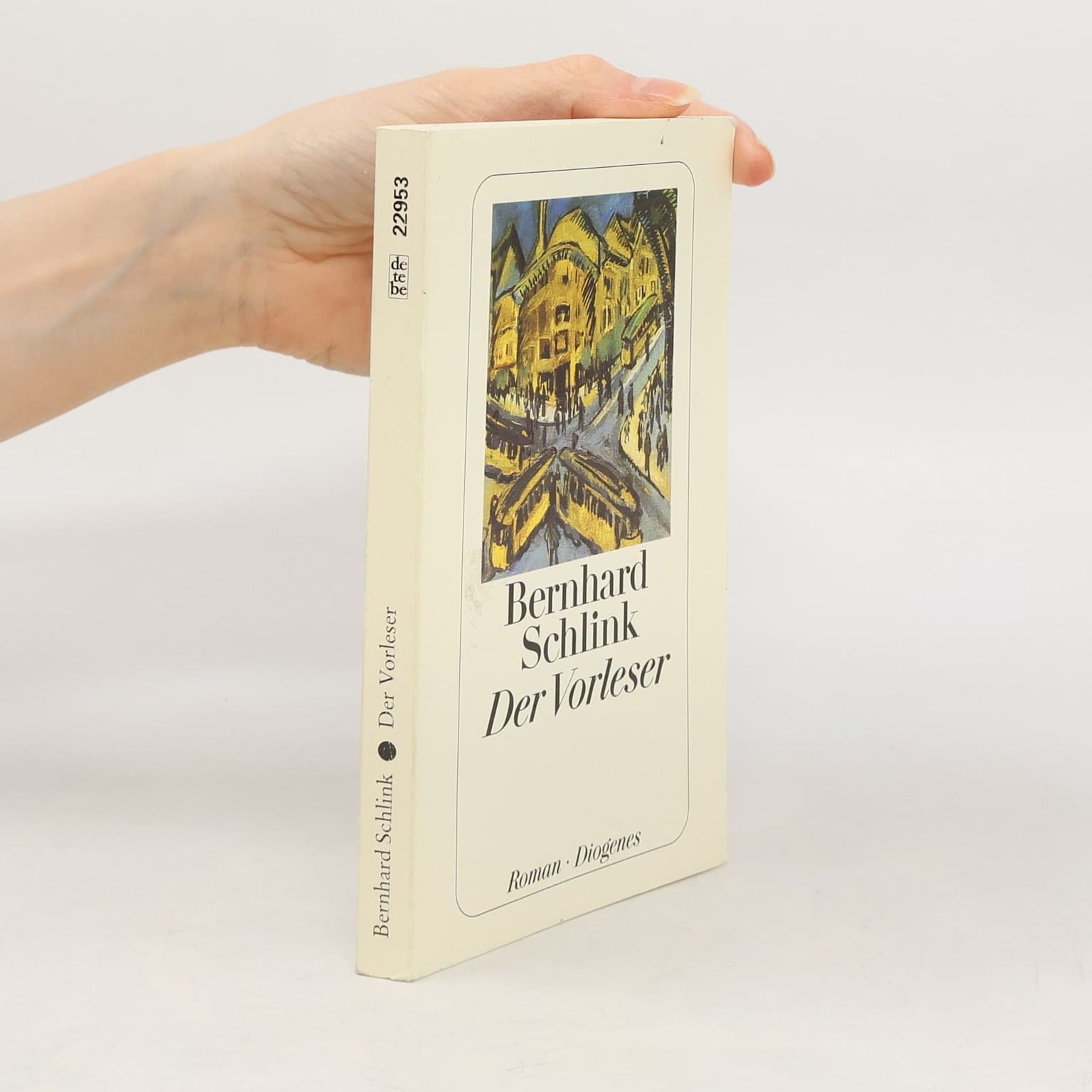
Der Vorleser (The Reader)
Bernhard Schlink
A haunting post-war love story that confronts Germany's Nazi past. Schlink's prose is elegant yet clear, making it one of the most accessible entry points into authentic German literary fiction. Themes of guilt, memory, and illiteracy.
Modern Classic · Award-winning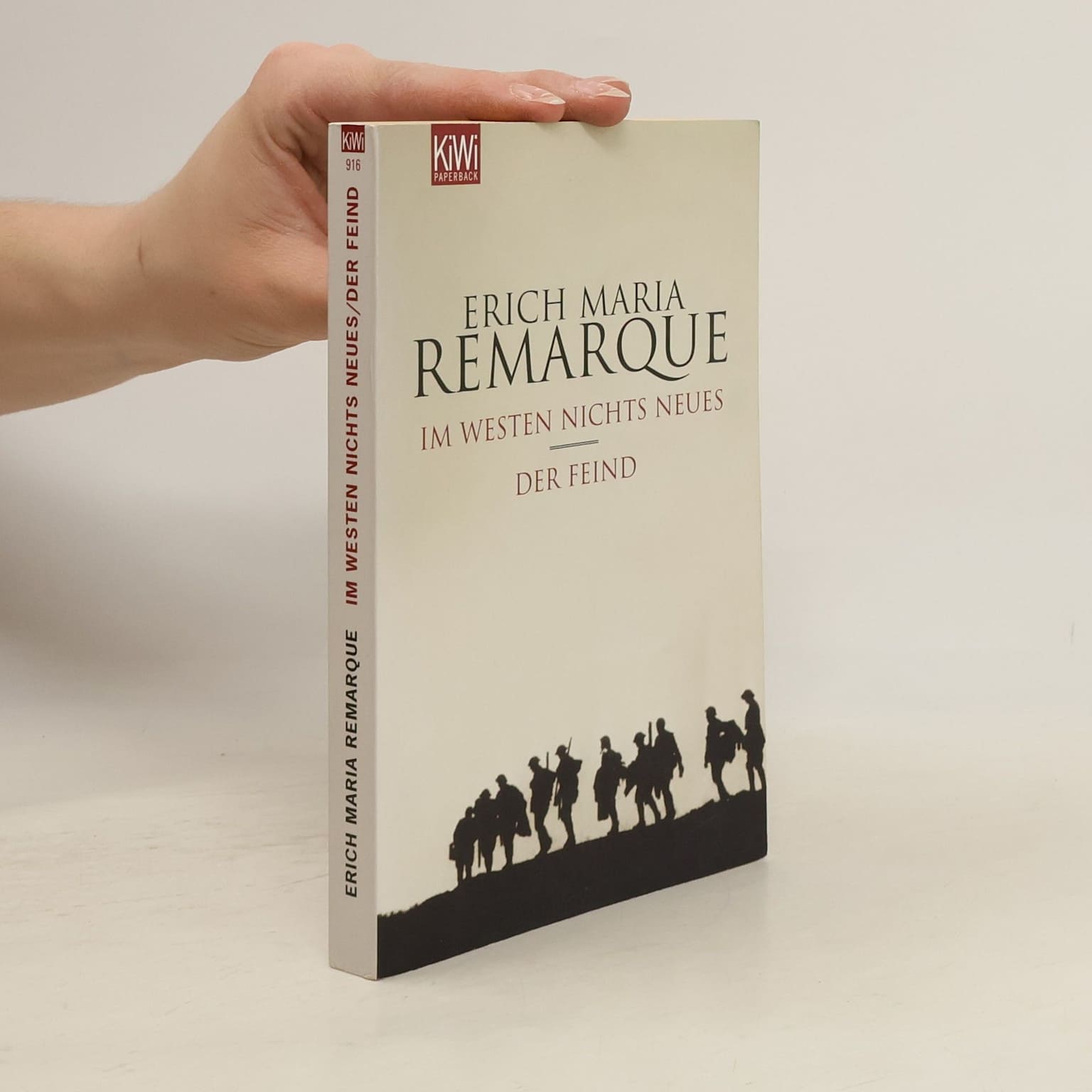
Im Westen nichts Neues
Erich Maria Remarque
The definitive anti-war novel — a German soldier's harrowing experiences on the Western Front in WWI. Remarque's writing is vivid and direct, making it very accessible for its level. Essential for understanding 20th-century German culture.
Classic · Historical · Anti-warSchachnovelle (Original)
Stefan Zweig
Zweig's last completed work before his death — a tense, psychological masterpiece of chess and Nazi oppression. Recommended for its short length (~100 pages), suspenseful plot, and varied registers from formal to colloquial.
Novella · Psychological DramaAdvanced
Sophisticated prose, complex themes, and language that mirrors educated native usage.
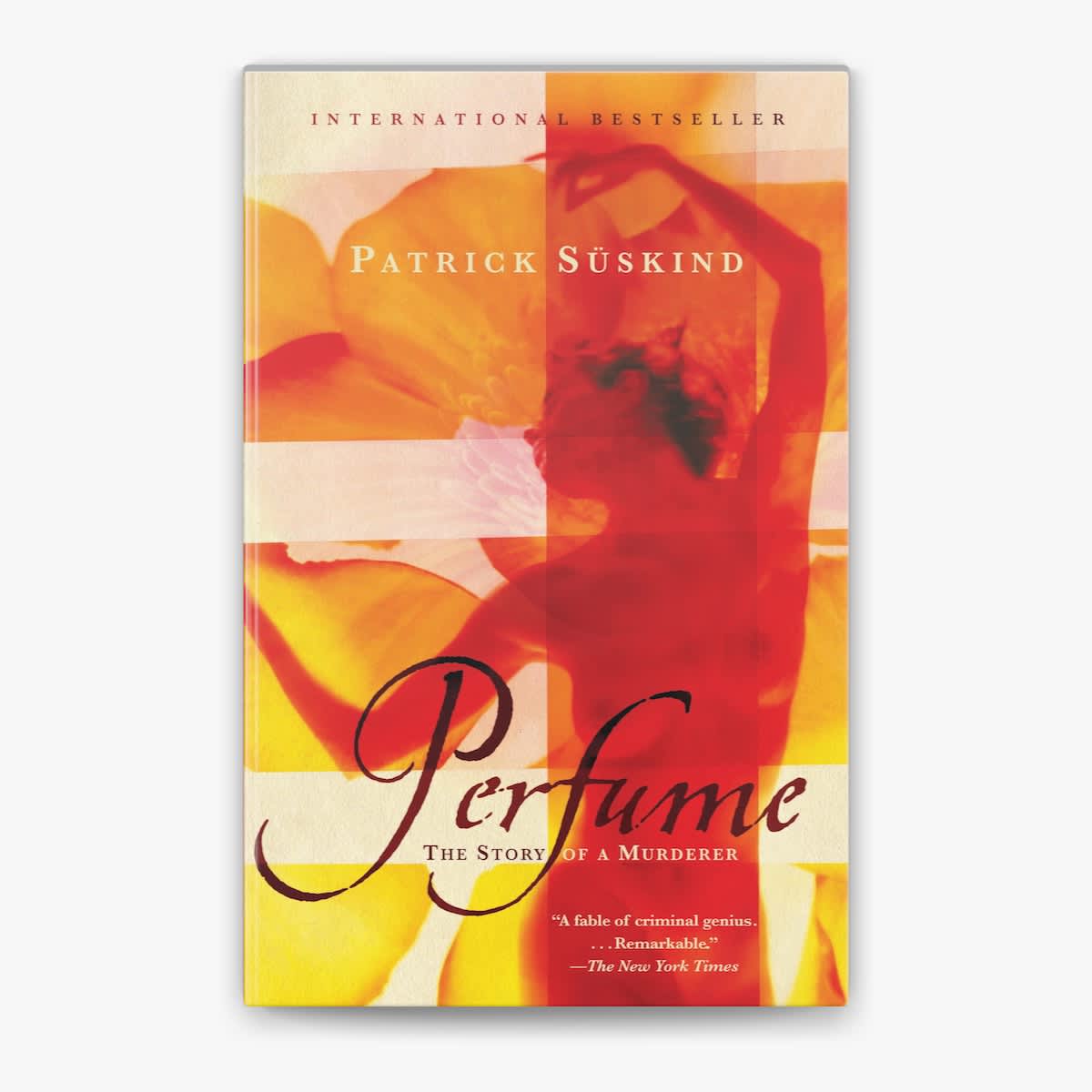
Das Parfum (Perfume)
Patrick Süskind
A global bestseller set in 18th-century France following a murderous perfumer with an extraordinary sense of smell. Packed with rich descriptive vocabulary. Reinforces advanced grammar (Plusquamperfekt, Konjunktiv) while keeping you completely gripped.
Modern Classic · BestsellerDer Vorleser (The Reader)
Bernhard Schlink
Also listed at B2, this novel rewards re-reading at C1 for its understated irony and complex exploration of Vergangenheitsbewältigung — Germany's reckoning with its Nazi past. Often set as an A-level German text precisely because it perfectly balances accessibility with literary depth.
Modern Classic · Literary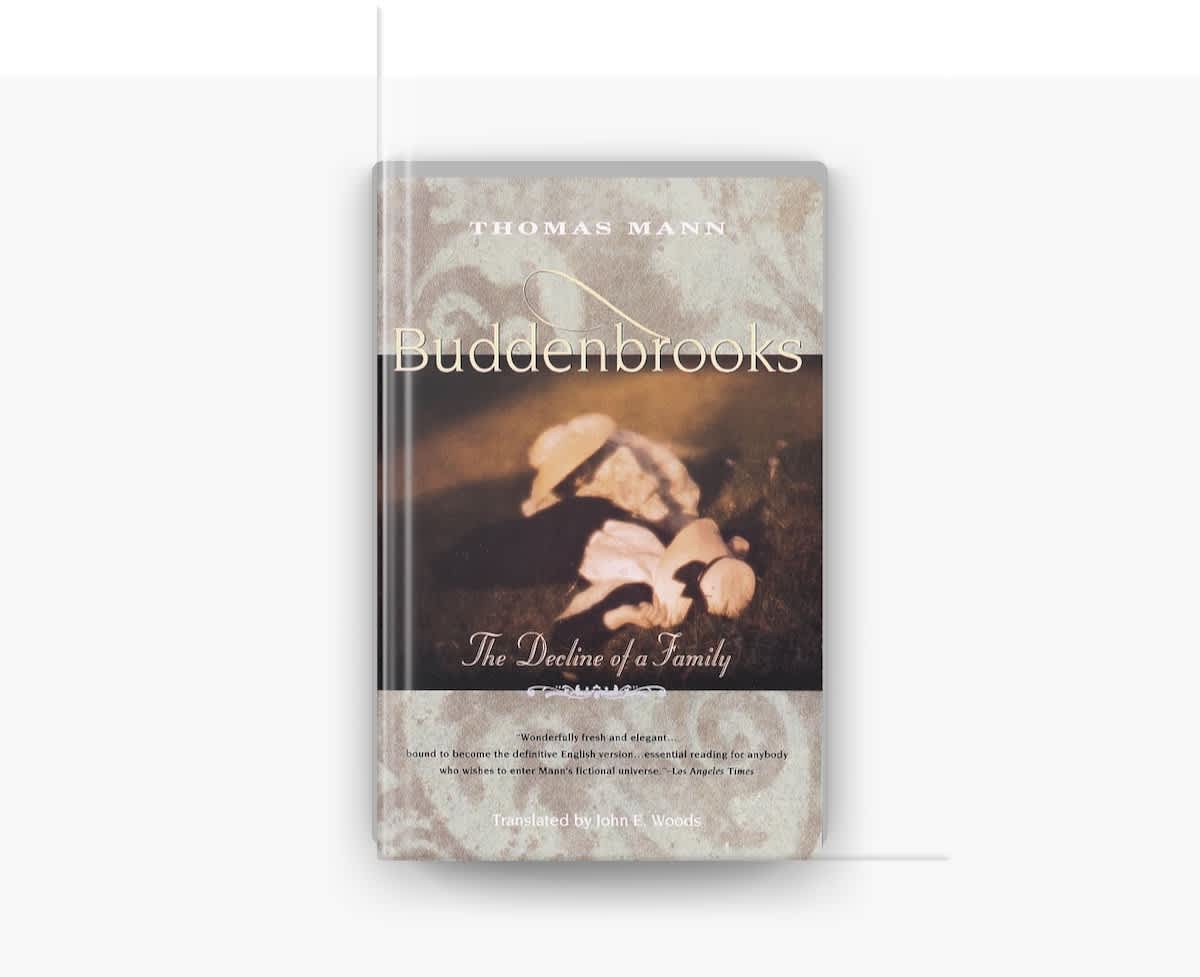
Buddenbrooks
Thomas Mann
A Nobel Prize-winning saga following four generations of a merchant family in Lübeck as their fortunes decline. Rich, precise 19th-century prose that rewards advanced learners with a masterclass in formal German narrative.
Nobel Prize · Saga · ClassicMastery
The pinnacle of German literature — archaic forms, verse, philosophical depth, and artistic language.
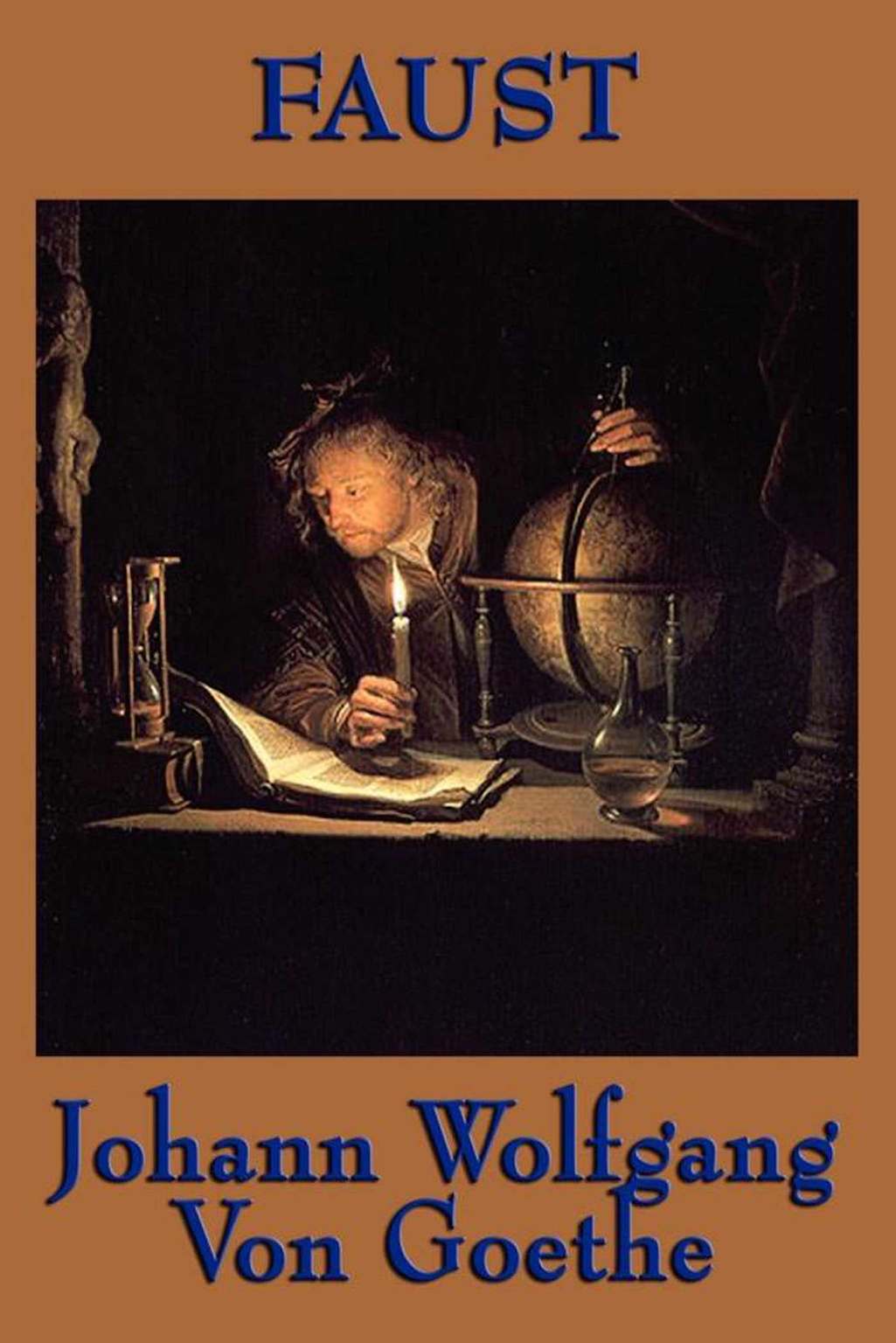
Faust
Johann Wolfgang von Goethe
The ultimate test of German mastery — a monumental dramatic poem in which the scholar Faust bargains with the Devil. Written mostly in verse with archaic vocabulary, inverted word order, and a vast range of registers from elevated philosophy to earthy comedy.
Verse Drama · Masterpiece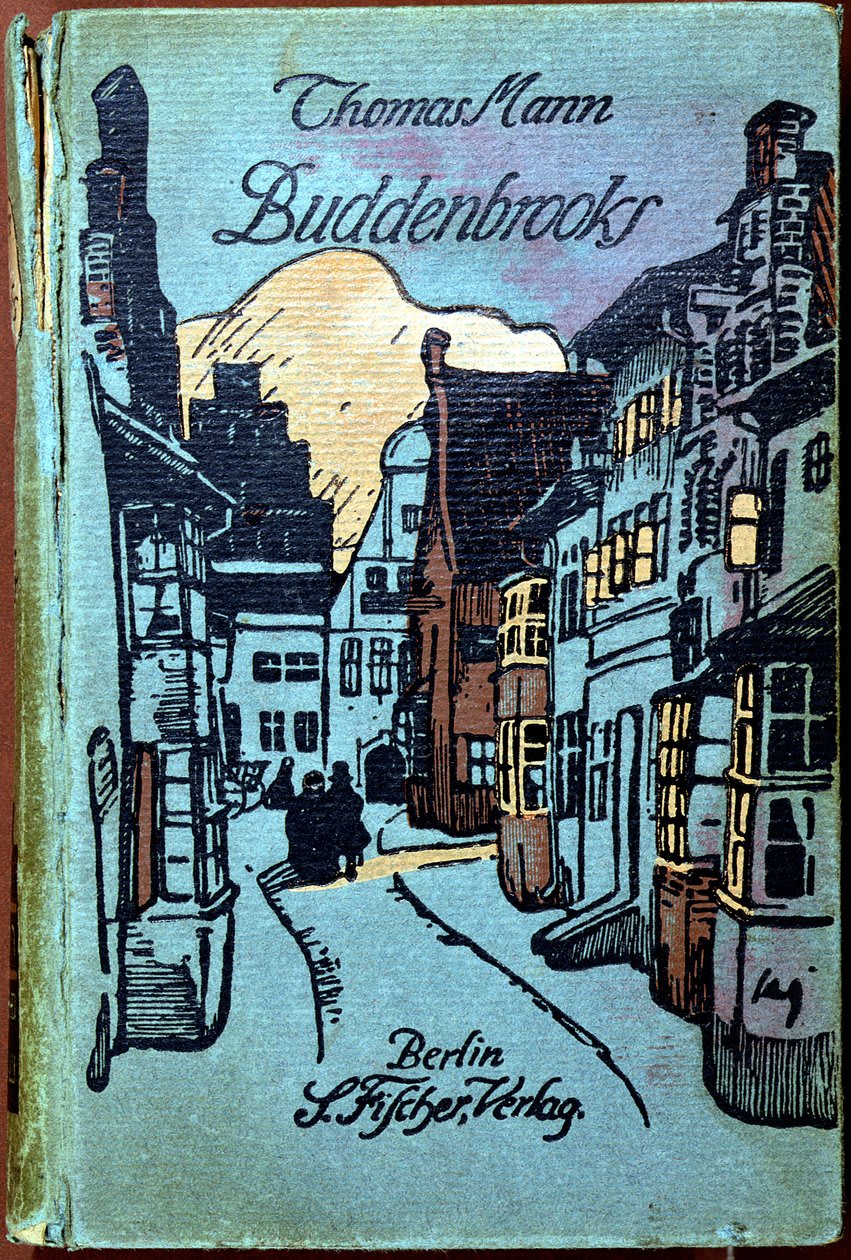
Buddenbrooks
Thomas Mann
At C2 you can fully appreciate Mann's meticulous prose style, complex characterisation, and subtle irony across 700+ pages. The full richness of the novel — its long Nebensätze, Leitmotifs, and 19th-century diction — opens up completely at this level.
Nobel Prize · Epic NovelDie verlorene Ehre der Katharina Blum
Heinrich Böll
A sharp political novella about media sensationalism and the Red Army Faction panic in 1970s Germany — Böll won the Nobel Prize in 1972. C1/C2 learners will benefit from the complex political vocabulary, ironic narrative voice, and legal/journalistic registers.
Nobel Prize · Political · NovellaHow to Use This Reading List
- →Graded readers (A1–B1) are written specifically for learners with controlled vocabulary, glossaries, and exercises — start here.
- →Authentic literature (B2+) is written for native readers. Expect to look up 5–10 words per page at B2, and 2–3 at C1.
- →Always read with a good digital dictionary (e.g. Leo.org or dict.cc) and keep a vocabulary notebook.
- →Re-reading the same book at a higher level is one of the best ways to measure progress.
- →Pair your reading with audio wherever possible — many graded readers include QR codes to free recordings.